Manufacturing ERP Evolution
December 6, 2023
In the ever-evolving landscape of manufacturing, the journey from traditional assembly lines to the modern cloud-based systems has been transformative. This evolution is particularly evident in the realm of Enterprise Resource Planning (ERP), a critical component that orchestrates various aspects of a manufacturing operation. This article explores the dynamic shift from assembly lines to cloud lines, highlighting the key milestones and benefits of manufacturing’s ERP evolution.
Historically, manufacturing operations relied on assembly lines to streamline production processes. These linear systems enabled mass production, but they often lacked the flexibility and adaptability required in today’s fast-paced business environment. As technology advanced, so did the need for more sophisticated tools to manage complex workflows and data.
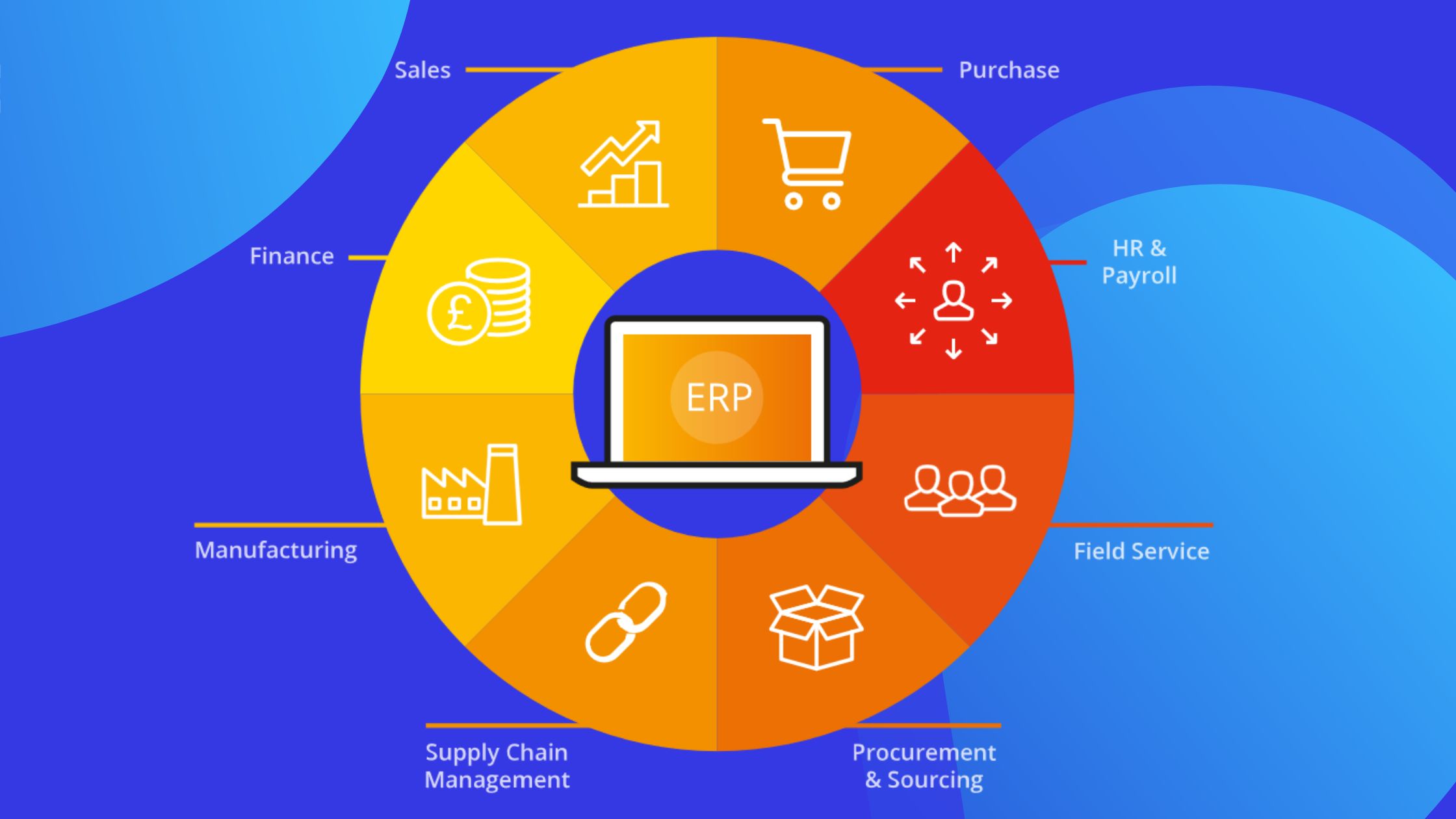
The advent of ERP systems marked a significant turning point in manufacturing. These integrated software solutions allowed businesses to centralize data, automate processes, and enhance overall efficiency. ERP systems provided a unified platform for managing various aspects of production, including inventory control, order processing, and resource allocation. However, early ERP systems were primarily on-premises solutions, limiting accessibility and scalability.
With the maturation of cloud technology, manufacturing embraced the shift towards cloud-based ERP solutions. Cloud ERP offered unparalleled advantages, including remote accessibility, real-time collaboration, and scalability. Manufacturers could now leverage the power of the cloud to streamline operations, improve data accuracy, and enhance decision-making processes.
Cloud ERP is an enterprise resource planning solution hosted on the cloud, offering accessibility, scalability, and collaboration beyond the limitations of traditional ERP systems.
Absolutely. Cloud ERP’s scalability makes it an ideal solution for businesses of all sizes, providing the flexibility to adapt to varying production needs.
Security is a top priority in Cloud ERP. Advanced encryption, multi-factor authentication, and continuous monitoring ensure the protection of sensitive manufacturing information.
Challenges can include data migration complexities, integration hurdles, and potential downtime during the transition. Addressing these challenges with a well-thought-out plan is crucial.
Yes, one of the strengths of Cloud ERP is its customization capabilities. Manufacturers can tailor the system to align with their unique industry needs.
We help brands stand out through aweful, elegant visual design. Our design mainly philosophy.
All ArticlesUnleashing our imaginations and pushing the boundaries of innovation.
Get a Quote
